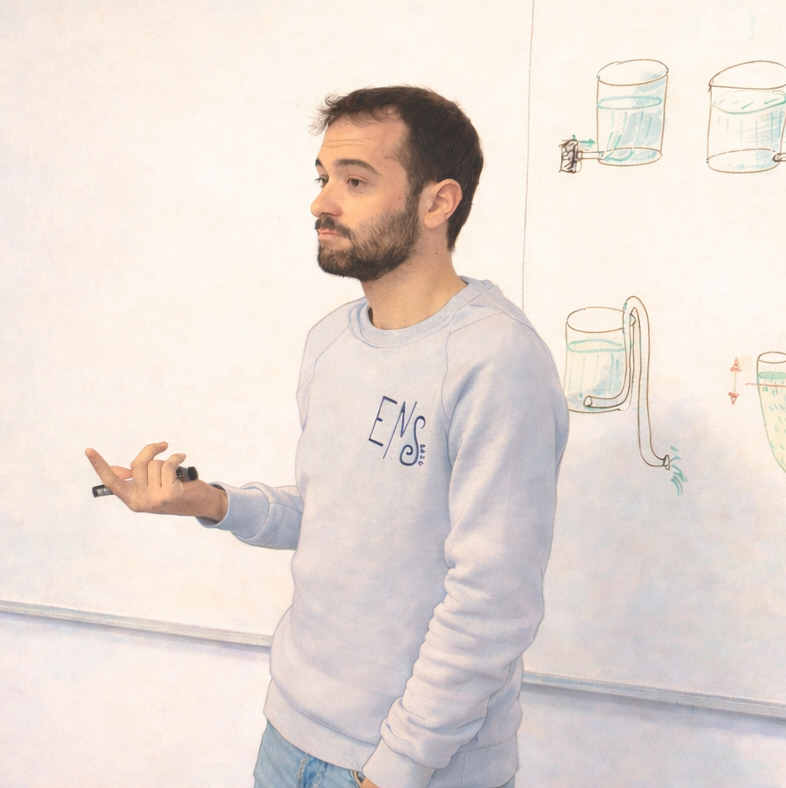
Hello, I am Danny. I recently earned my Ph.D. in Physics from Scuola Normale Superiore in Pisa, Italy, where my research focused on theoretical plasmonics and anisotropic metamaterials. I currently work as a Police Inspector for the Italian Forensic Department in Rome, specializing in 3D printing and the instruction of forensic trainees. However, my true vocations are teaching and physics education, which blossomed during my undergraduate years. Since then, I have taught a variety of courses for talented high school students across Italy preparing for physics competitions, as well as for freshmen in Pisa. Today, my research work involves developing educational materials and peer-reviewed articles designed to dismantle persistent physics myths and clarify the complex misconceptions often found in standard curricula. I am currently authoring a book on problem-solving techniques aimed at talented high schoolers and undergraduate physics majors, as I work toward my ultimate goal: a life dedicated to teaching physics.
If you want to know more about my background and past experiences, here is my CV. If you would like to get in touch, you can reach me at daniele.provenzano@sns.it or via carrier pigeon.
Interests
Since my Master’s studies, my research has centered on macroscopic electrodynamics and the propagation of electromagnetic waves in anisotropic media. My few publications in this field are listed in the CV linked above. Alongside my Ph.D. in plasmonics, I have spent over seven years deeply involved in the Physics Olympiad community. Evaluating and teaching thousands of Italian students interested in physics has given me a unique vantage point to identify widespread, persistent misconceptions. The drive to challenge these deeply rooted errors, coupled with the constant need to invent new, original problems for competitions and handouts, eventually led several of these educational materials to evolve into peer-reviewed scientific articles. In fact, I currently have a long, ever-growing list of original physics ideas and problems just waiting to be formatted into future publications.
Currently, my educational research is focused on some topics spanning multiple fields of classical physics. All of these activities — including the educational projects listed below and my teaching engagements — are carried out in what was originally supposed to be my 'free time'.
Fluid Dynamics
As for fluid dynamics, I am completing a series of four projects:
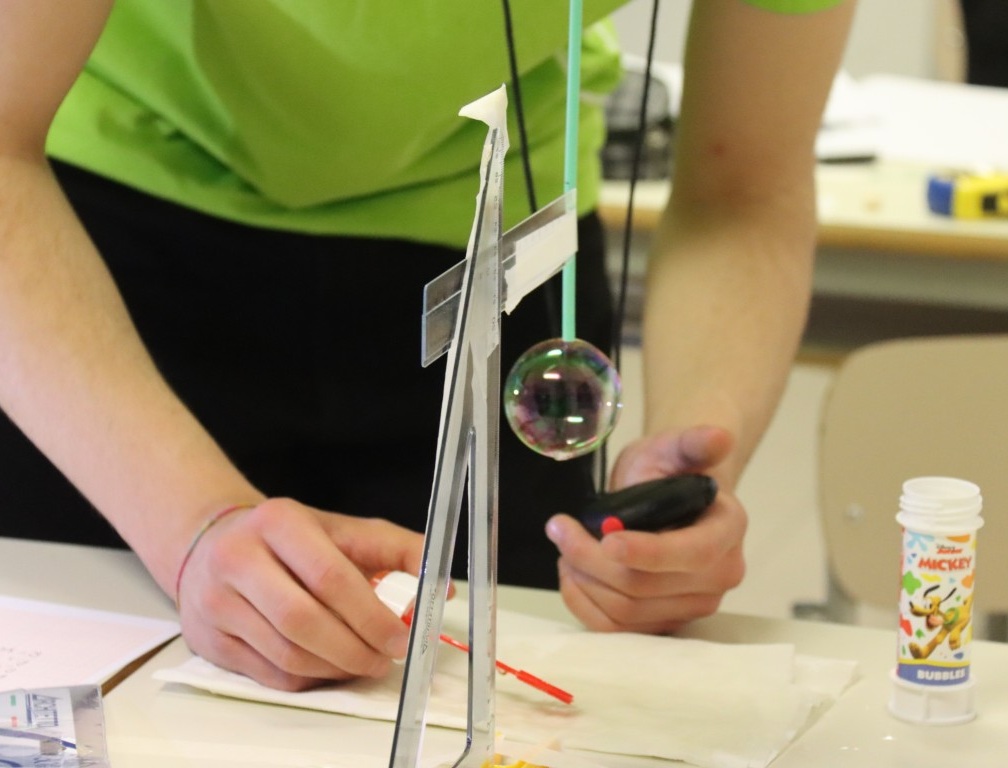
Deflating soap bubbles: A colleague and I conducted a quantitative study of the deflation process of soap bubbles. You can read the resulting paper here. It served as the theoretical basis for the final experimental examination of the 2025 Italian Physics Olympiad.
Debunking perpetual motion machines: In this paper, I present both analytical and experimental proofs that dismantle the illusion of Boyle's self-flowing flask (often popularized in videos like this one).
Heron’s fountain: I developed the first rigorous, quantitative description of how this fascinating device operates. You can read the associated article here.
Misconceptions about Bernoulli’s equation: I recently realized that this topic is often poorly addressed in many textbooks and, above all, by the majority of teachers in both high schools and universities. For this reason, I am producing a comprehensive tutorial on Bernoulli’s equation that targets the severe misconceptions often taught in high schools and universities. I presented a short preview of this work at the GIREP-EPEC conference in Leiden (2025); you can find the slides I prepared for the talk here.
Deflating soap bubbles
This simulation illustrates the deflation process of a soap bubble through a cylindrical straw, considering three different straw lengths. The animation was created by Antonino Cilione and is based on my results in this paper.
This video shows the operation of an HF that I built in August 2025. As soon as the top cap is removed, the liquid flows downward, increasing the pressure in the lower chamber and causing the fluid to rise in the right-hand tube.
Celestial Mechanics
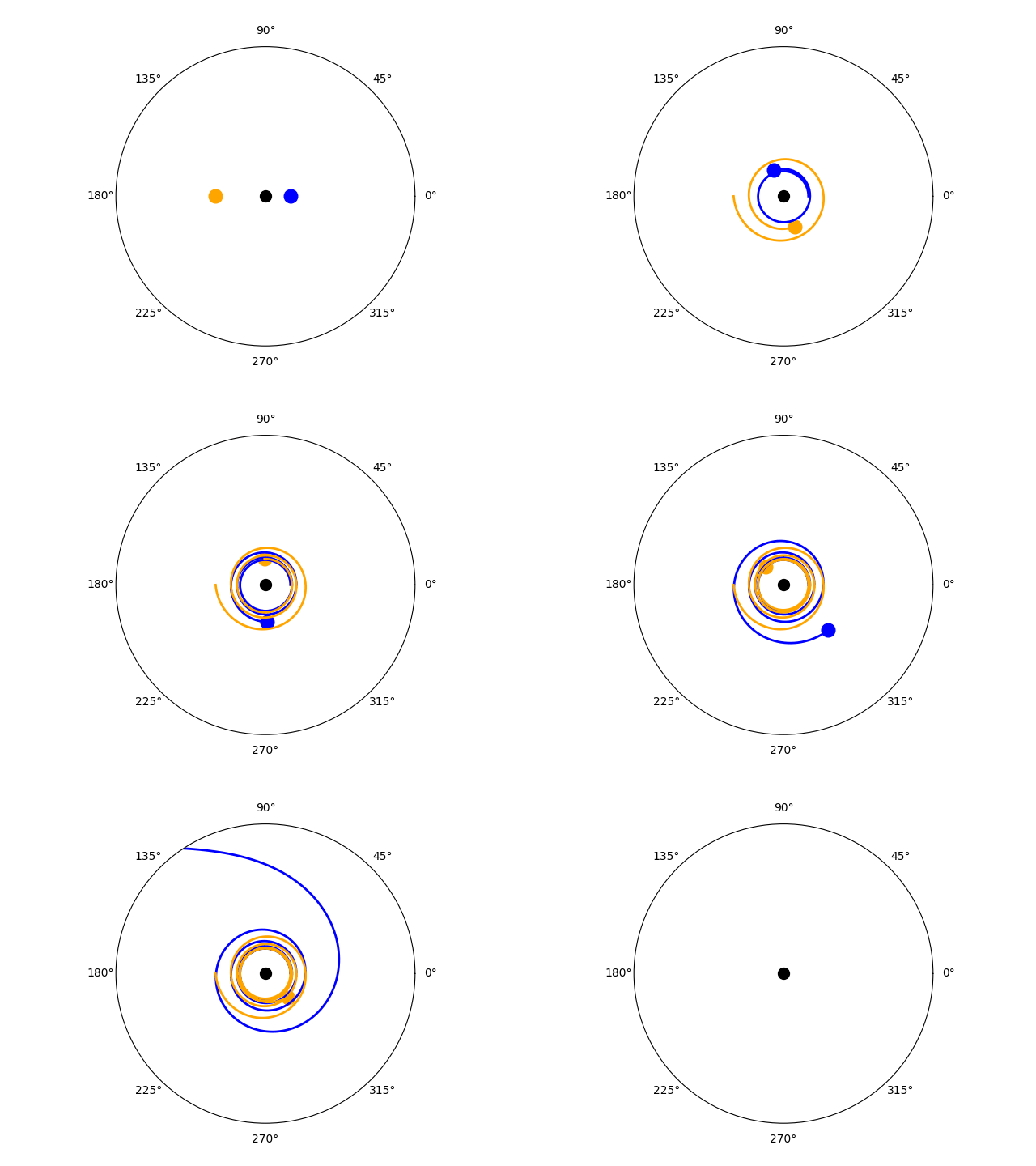
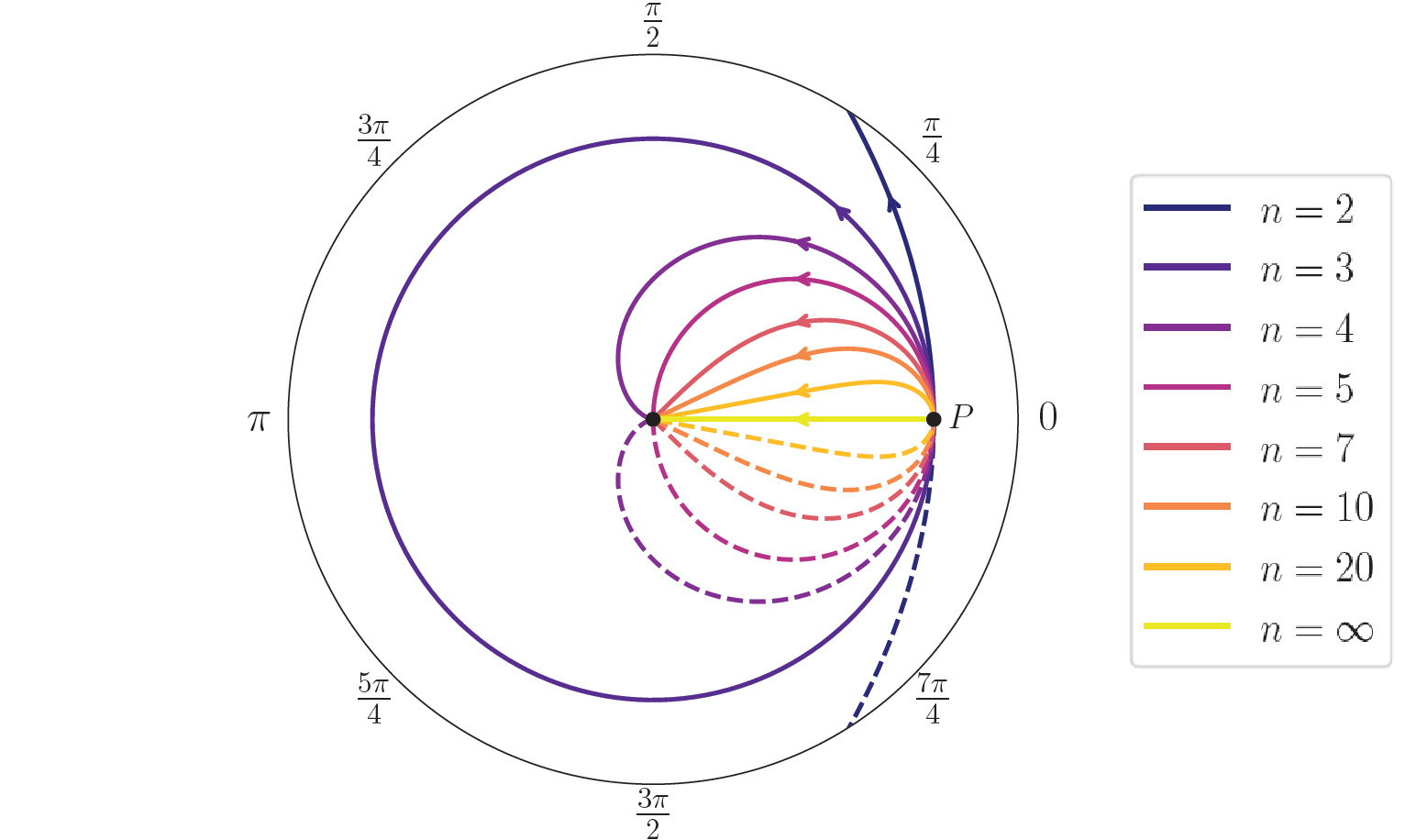
As for celestial mechanics, my work is split into two main problems. First, I am trying to model the dynamics of binary star systems (which exchange mass with each other) using simple ODEs to generalize some results obtained by Sir James Jeans a century ago. Second, still within the realm of motions in central fields, I am attempting to use Bohlin's transformation to prove a beautiful geometric property of orbits in central force fields like $\vec{f} \propto - \,r^{-n}\,\hat{r}$.
Binary system
Wonderful orbits
Miscellanea
Other projects include:
Ideal gas law: I found a nice alternative derivation of $pV\propto N T$ from energetic constraints. The associated article can be found here.
Sonic booms: I am investigating the properties of sonic booms in peculiar configurations.
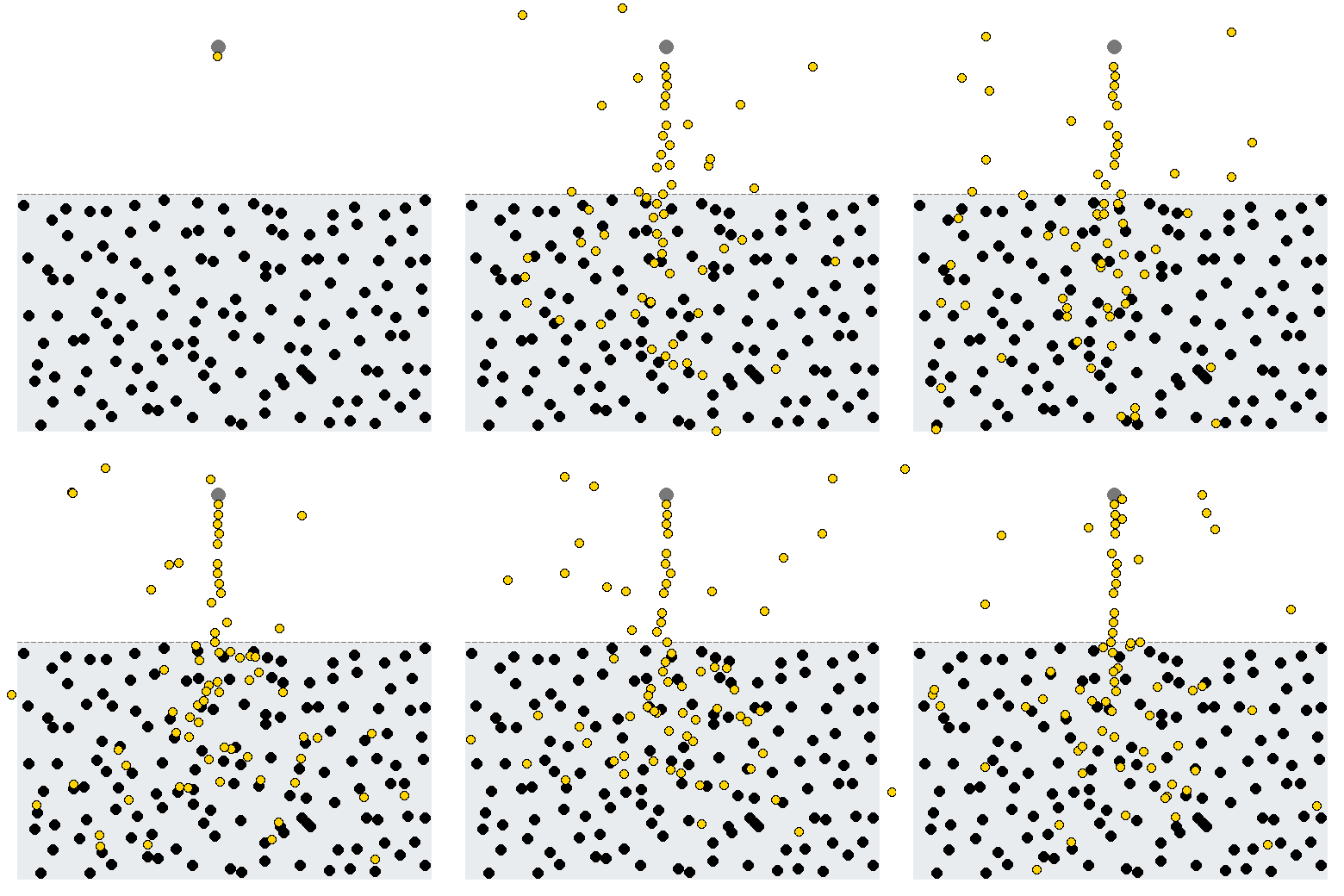
Particle interactions: When called upon to teach electron microscopy to forensic trainees, I realized the need for intuitive visual tools. I developed video simulations that show exactly how an electron beam scatters through matter, covering elastic collisions with nuclei, inelastic collisions with atomic electrons, and bremsstrahlung. I will refine these simulations and share them as an educational resource for all future students, both inside and outside the forensic field.
Sonic boom
Electron scattering
Teaching
During my university years, I developed a deep passion for teaching physics. I began teaching immediately after earning my bachelor's degree, and it has since become an indispensable part of my life. I take inspiration from influential educators such as David Morin, David Griffiths, Kirk McDonald, Nicholas Wheeler, Michael Spivak and Giuseppe La Rocca, my professor at SNS. As for problem-solving, I have to bow to the Hungarian professors of the Loránd Eötvös Physical Society, who have been producing an astonishing number of original problems and organizing countless physics competitions for decades. They, too, are a great source of inspiration for me!
Here, you can find a collection of notes and exercises I have written over the past six years.
Scuola Normale Superiore (SNS)
“Physics School in Pisa”
Below are the lecture notes I wrote for eight editions-I am especially proud of the last three. I will translate all of them into English someday.
These are slides I prepared for three university orientation courses organized by SNS, aimed at 260 handpicked high school students in their final years. The lessons focused on simple problem-solving techniques and everyday situations. Slides (ITA) / Slides (ENG)
Classical Mechanics and Thermodynamics
From fall 2020 to spring 2021, I served as a teaching assistant for the Classical Mechanics and Thermodynamics course at SNS in Pisa, aimed at Physics and Mathematics majors. I have collected the most intriguing and noteworthy problems here, some of which were specifically created for the course. A few of them are missing, since they are going to be developed into articles.
Italian Association for the Teaching of Physics (AIF)
“One step away from IPhO”
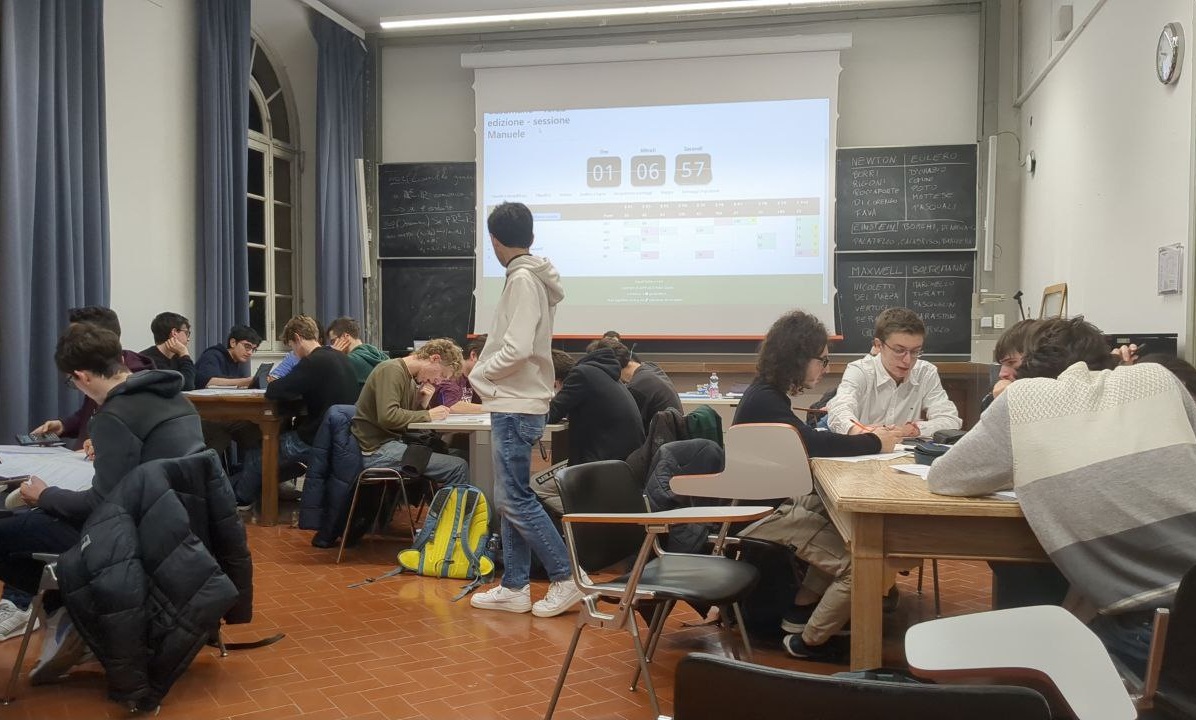
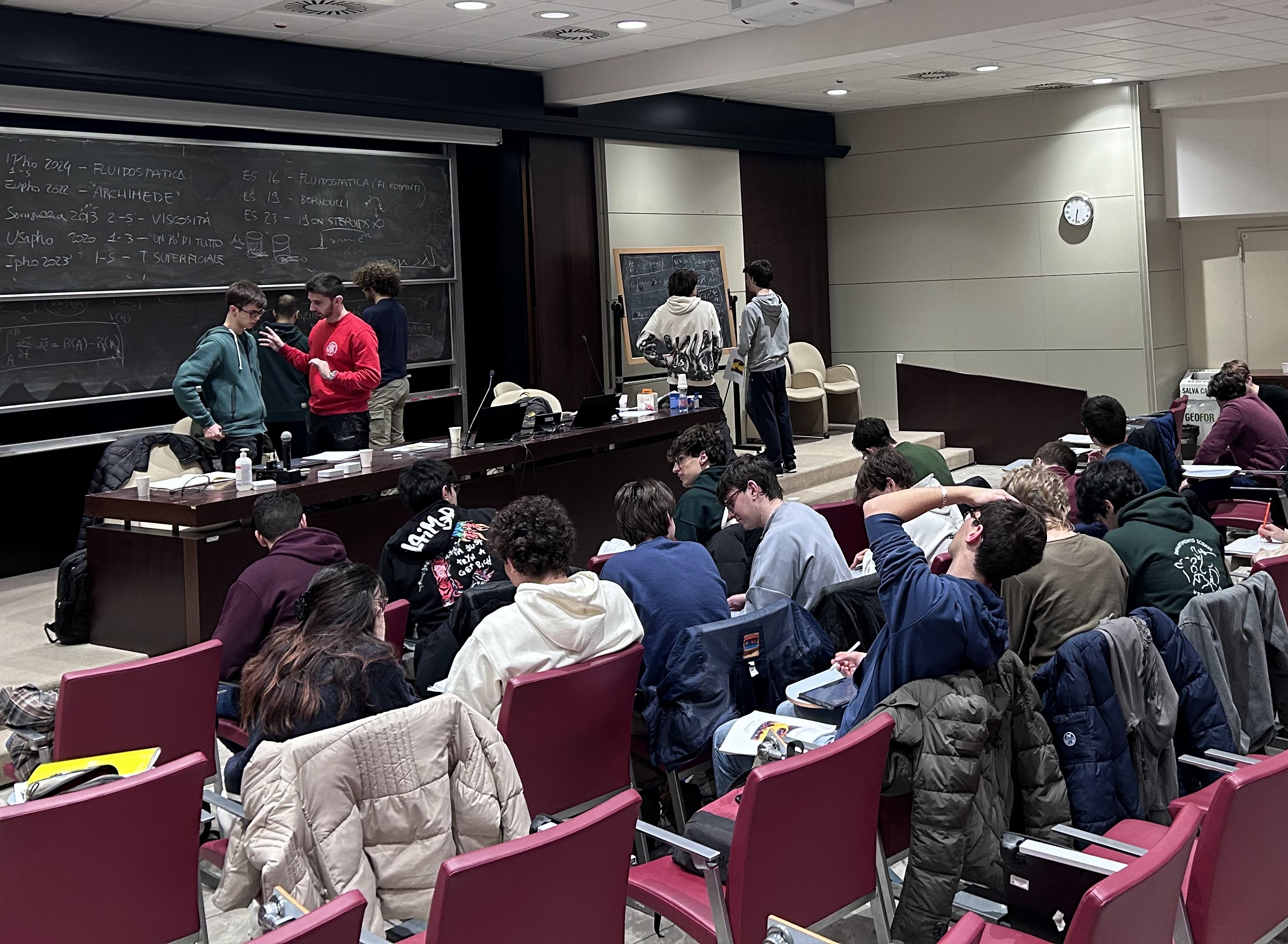
This one-week course, also known as Pre-IPhO, is the final challenge for Italian students aiming to qualify for international competitions. After five days of theoretical and experimental training, the winners of the national competition face a final exam to select the two Italian teams taking part in IPhO and EuPhO. Although the exam problems will never be published, my handouts from recent years will be provided below.
Celestial Mechanics (ITA) / ENG
Electromagnetism (ITA) / ENG
Thermodynamics (ITA) / ENG
Special Relativity (ITA) / ENG
Optics (ITA) / ENG
Miscellanea (ITA) / ENG
Physics Olympiad Summer School
Here is an updated version of the handouts I prepared for the physics school held in Sigillo, aimed at young high school students interested in the Physics Olympiad.
Here are some projects related to Physics education.
When it comes to collective initiatives, I am especially grateful to my peers, Fabio Zoratti and Giovanni Maria Tomaselli. Fabio is an outstanding leader, while Gimmy is simply the best (young) physicist I know. They not only gave me the opportunity to participate in these projects but also taught me so much!
Finally, a special thank you goes to my dear friend Antonino Cilione. We have known each other since kindergarten, and I am incredibly grateful for our weekly discussions about AI and for the tech support he so graciously provides.
I am authoring a comprehensive book on problem-solving techniques aimed at talented high schoolers and university freshmen. Unlike standard materials, it is specifically designed to debunk common myths and correct the pervasive misconceptions often found in traditional physics teaching and textbooks. Its Italian version is expected to be published in February 2027.
Danny and Tony's Lab
Together with a computer scientist friend, I am developing a fully custom-built virtual and interactive physics laboratory hosted on a website. The platform will allow users to perform a variety of physics experiments within a 3D environment where they can walk around and interact with the apparatus—under the watchful eye of a virtual lab technician modeled after John Cleese. Some of these experiments are of my own design—several of which have been, or will be, presented in my educational publications—and cover topics in both classical and modern physics. The experiments will be simulated computationally, allowing users to adjust the relevant parameters and visualize in real time how the physical phenomenon is modified. One section of the lab will include an astronomical observatory for celestial mechanics simulations. So far, we have developed a few fluid dynamics simulations, such as one on deflating soap bubbles and another on Heron’s fountain.
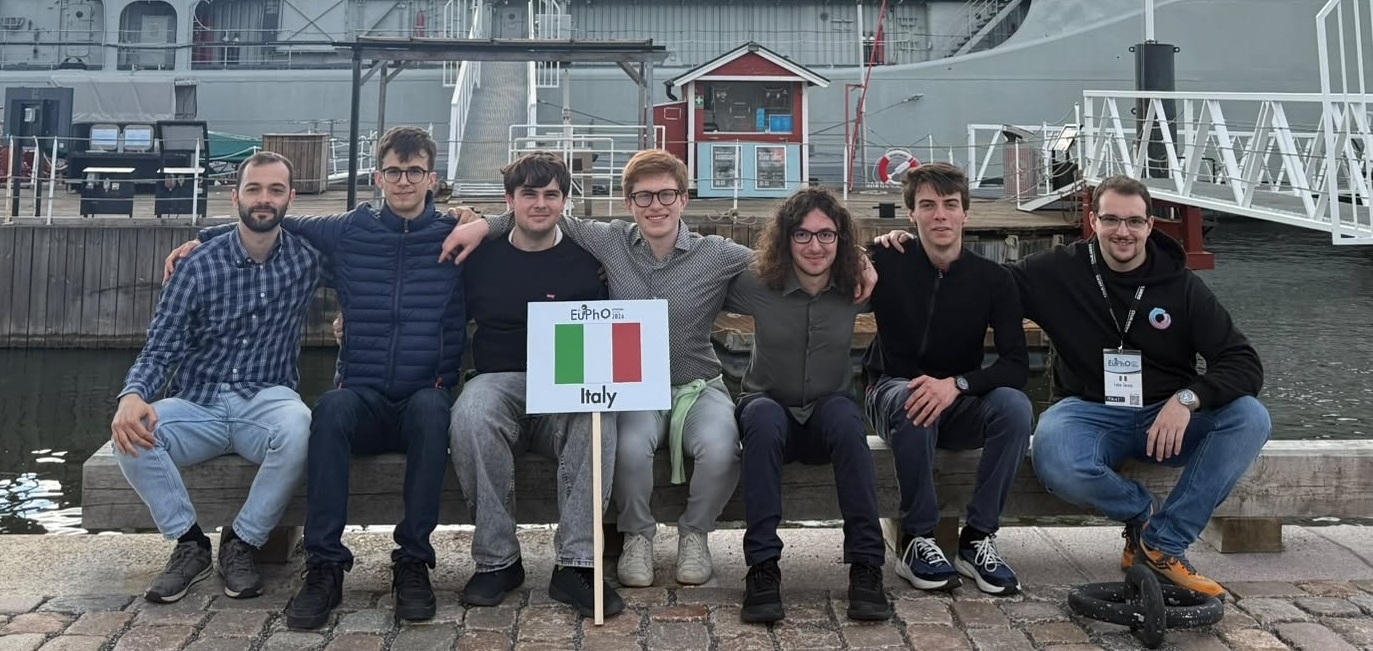
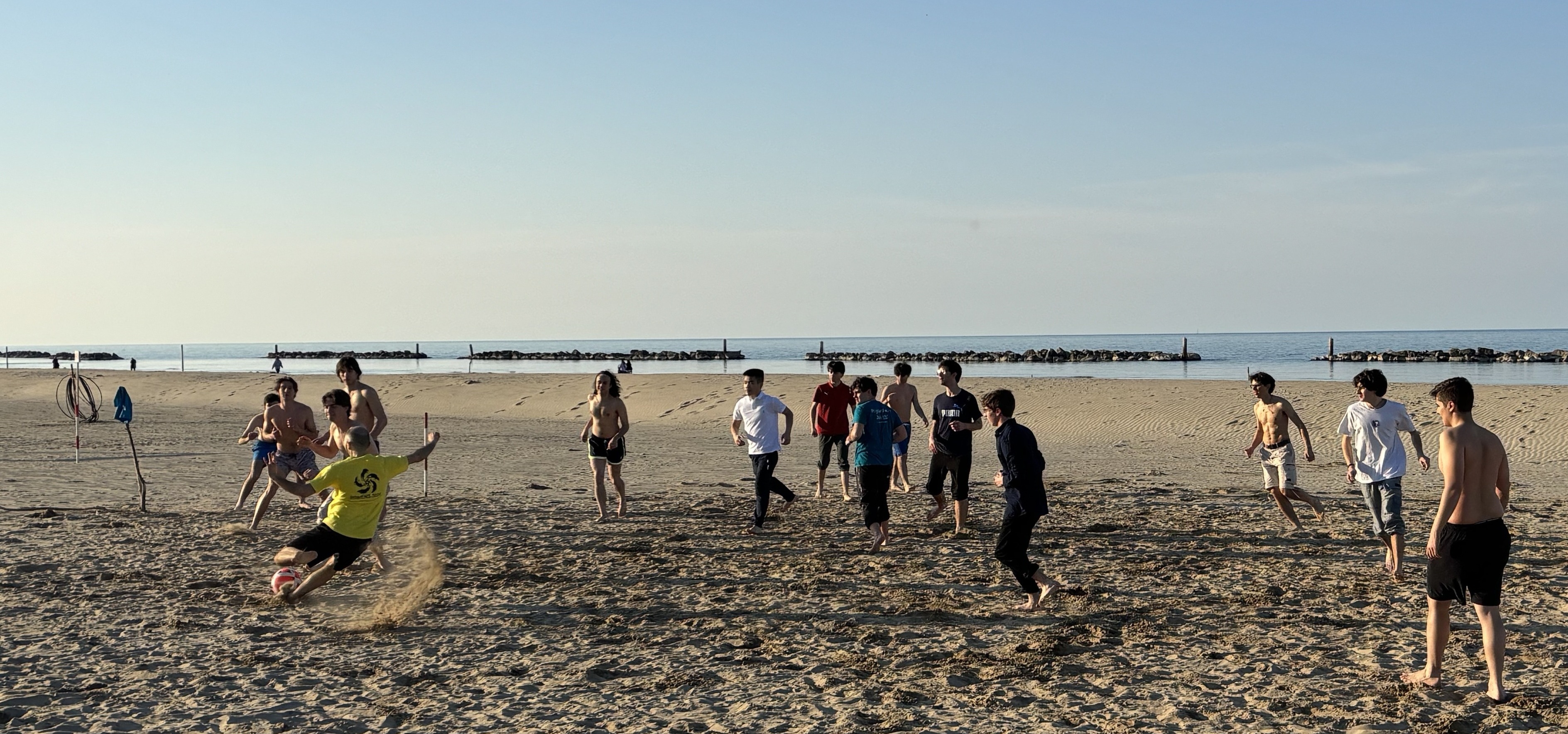
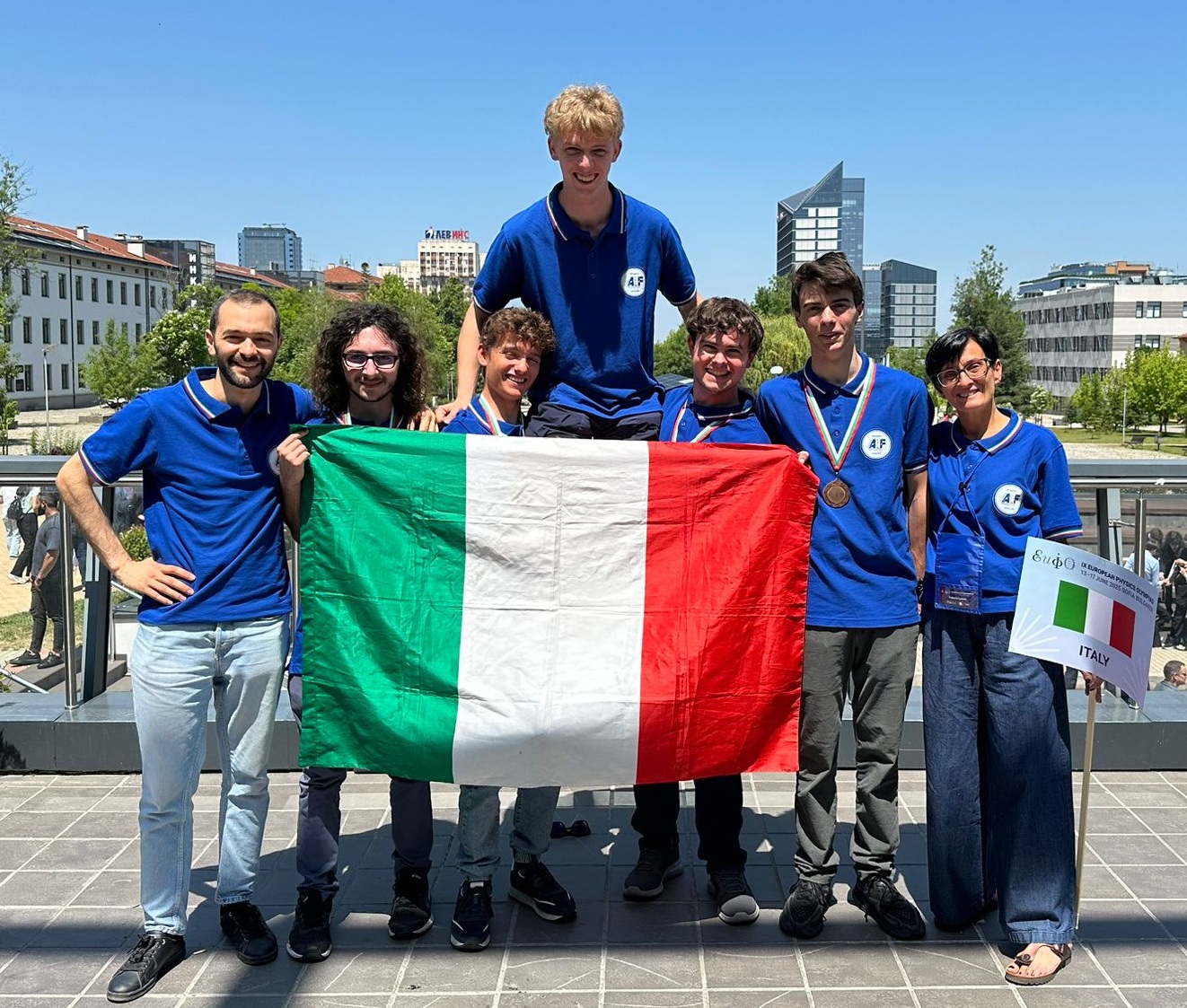
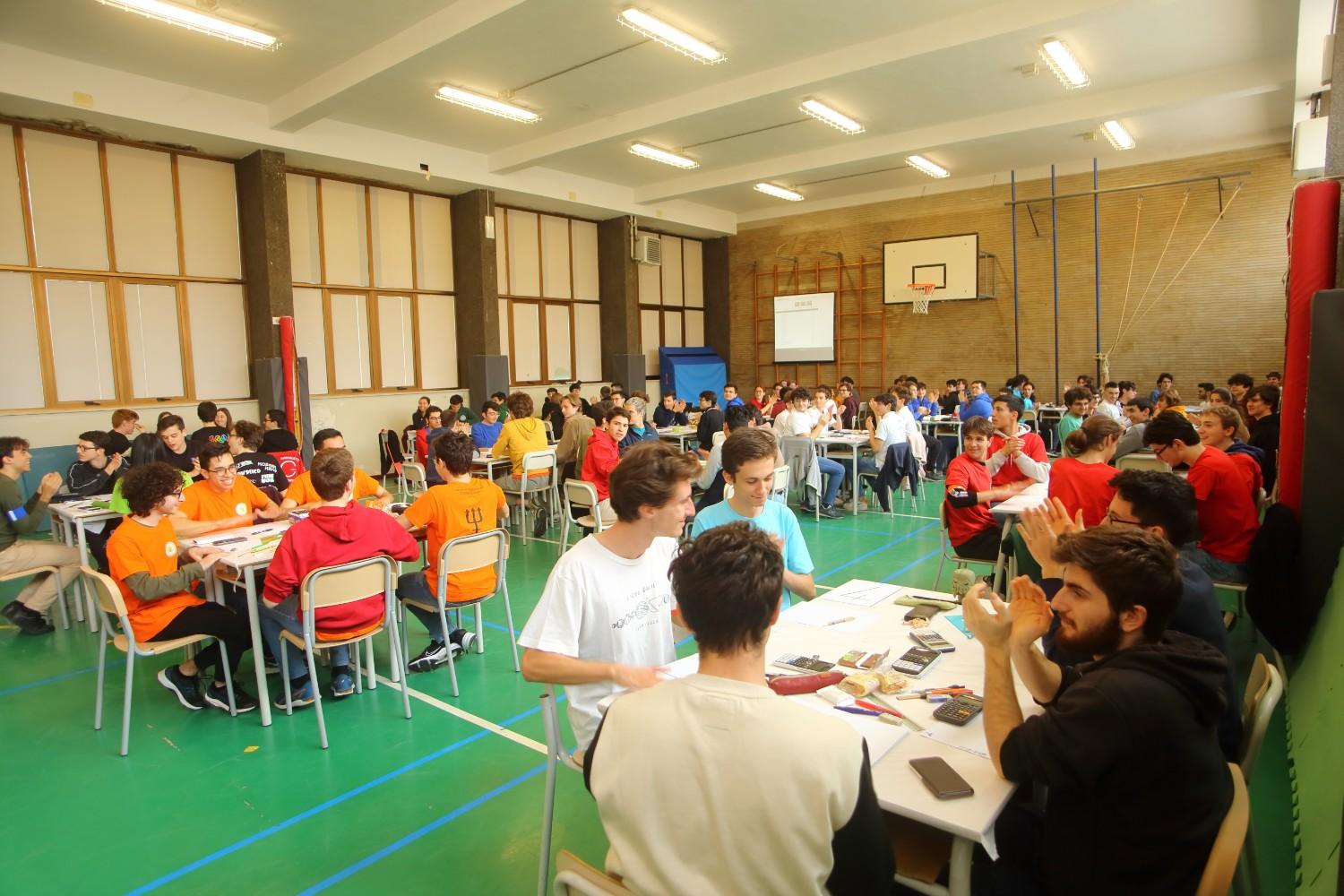
Organized by the Italian Association for the Teaching of Physics (AIF) since 1987, the Italian Physics Olympiad draws roughly 30,000 high school students from all corners of Italy each year. I began my journey with the AIF in 2019 as a trainer for the top-performing students preparing for the IPhO and EuPhO. After five years of dedicated involvement, I was appointed to the national organizing board. Our core responsibilities involve designing theoretical and experimental problems for the competition's various stages, evaluating the contestants, and coaching the two national teams. The national finals are held every April in Senigallia, where, alongside the competition, I always find time to humiliate the young contestants at beach soccer.
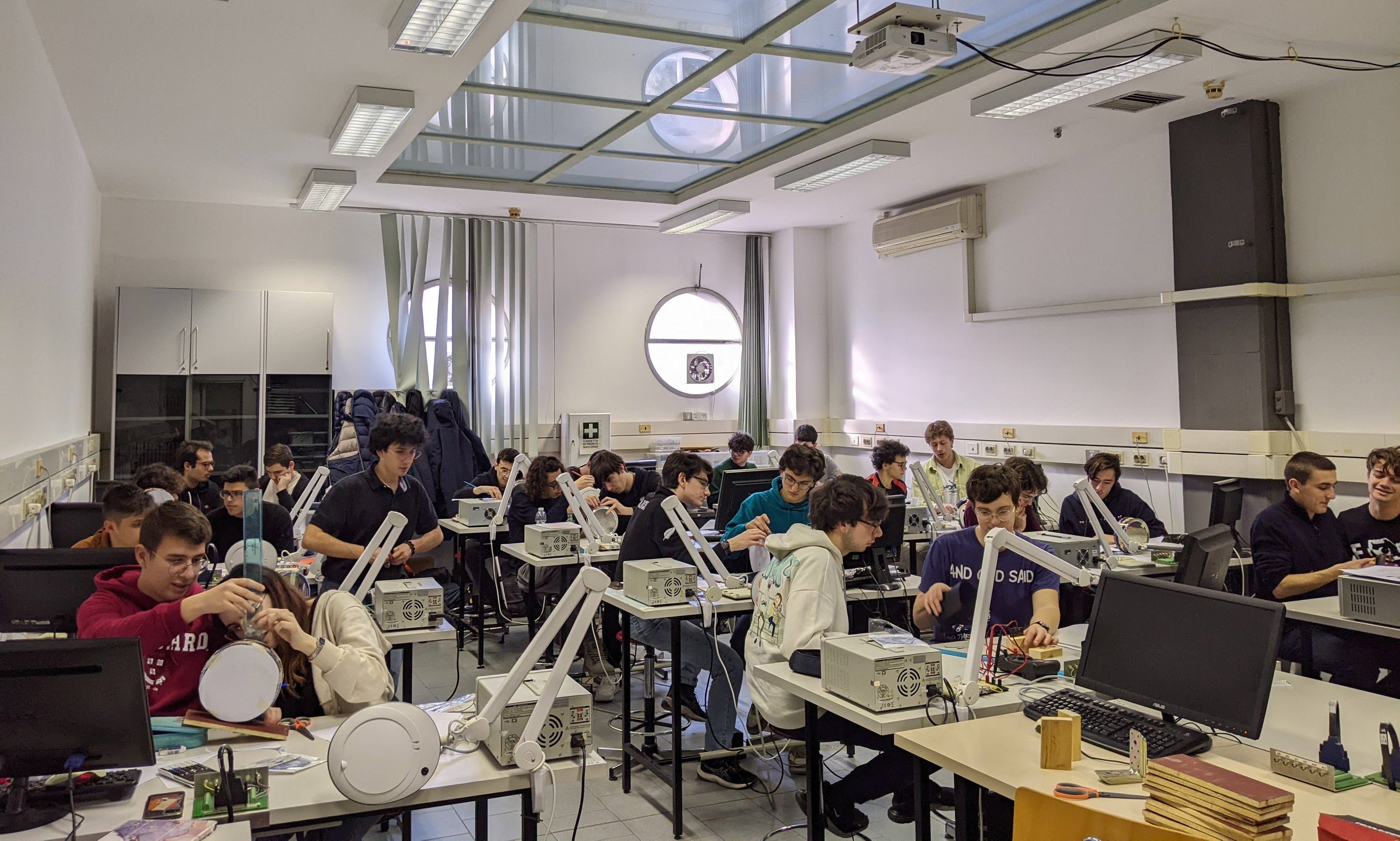
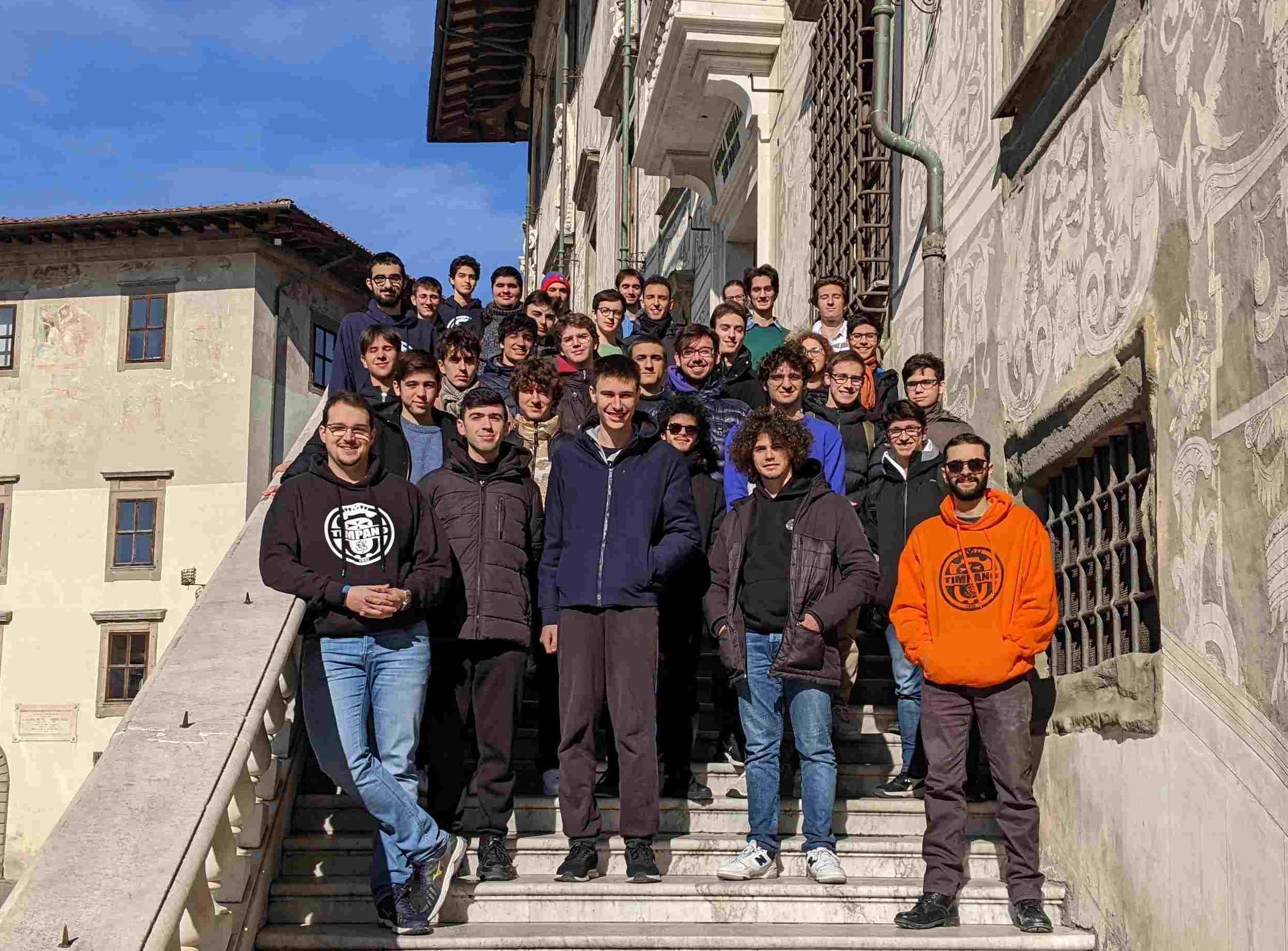
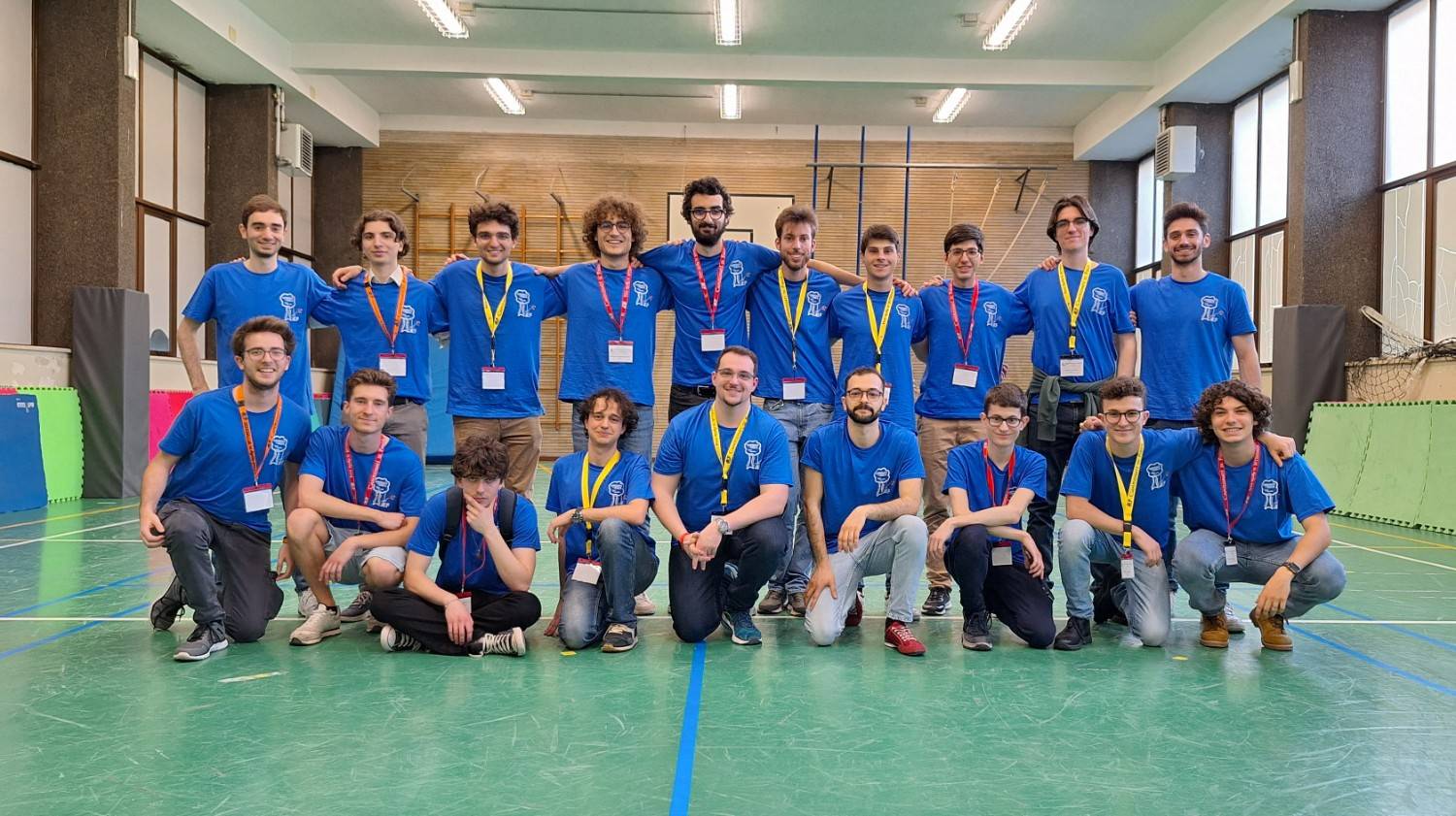
Since 2018, a passionate group of physics students at Scuola Normale Superiore has run an annual, week-long physics school for 24 handpicked Italian high schoolers. Our aim is to prepare them for the Physics Olympiad while giving them a genuine taste of university-level physics, bridging theoretical classroom concepts with hands-on laboratory work. All lecture notes and video recordings are available on our website in Italian. In 2019, the project was honored with the "Didactics of Physics" award by the Italian Physical Society. Beyond the physics itself, this initiative has been incredibly meaningful to me, as it allowed me to forge deep, lasting friendships with many wonderful people.
Training Camp for the Physics Olympiad in Catania
Since 2019, students at Scuola Superiore di Catania have organized an annual physics training camp for high schoolers from southern Italy who qualify for the national stage of the Physics Olympiad. The camp features theoretical lectures, problem-solving sessions, hands-on experiments, and a concluding competition.
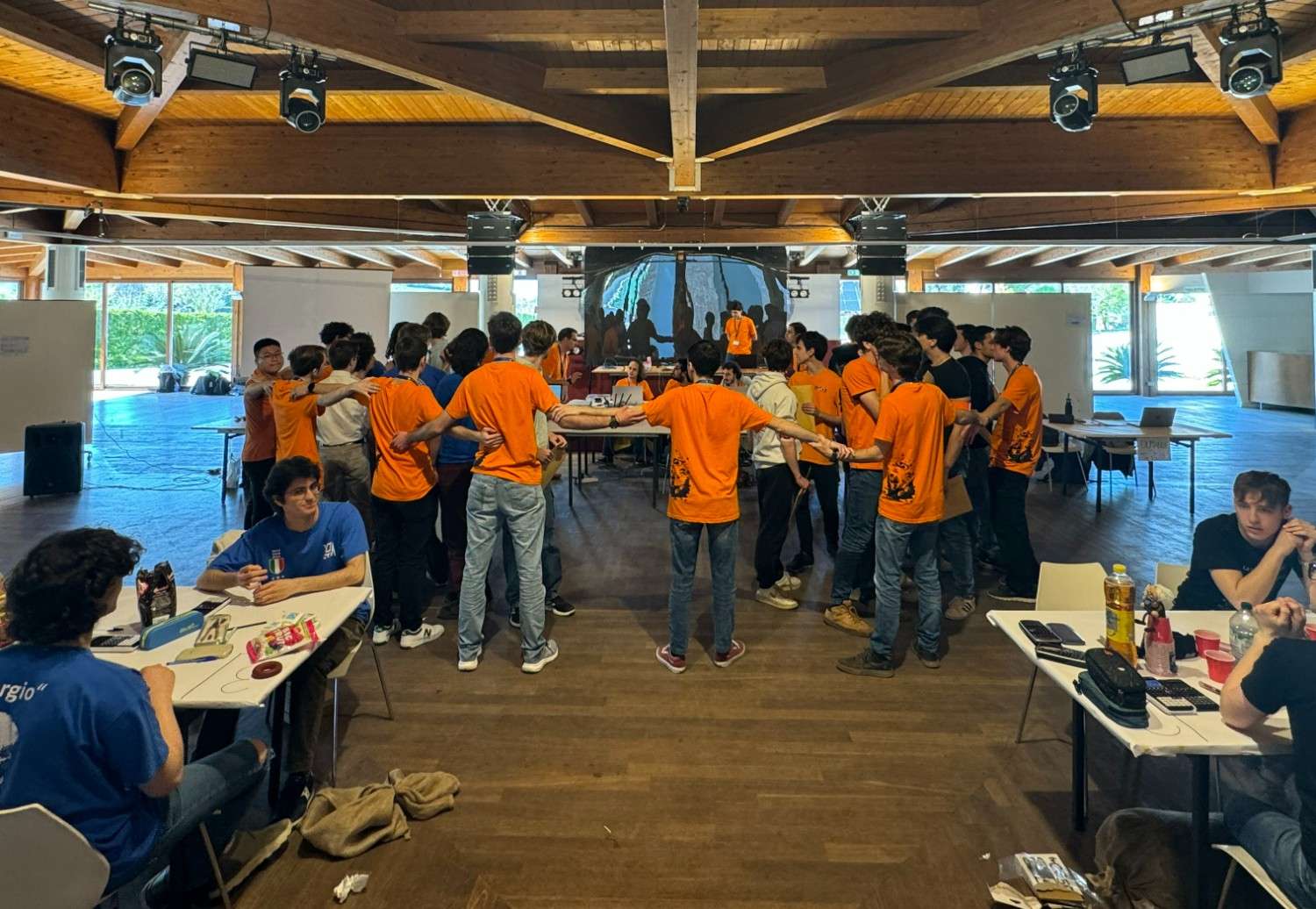
In 2023, following four years of meticulous planning, my university colleagues and I founded the first-ever Team Physics Competition. This annual, multi-stage tournament engages roughly 600 high school teams nationwide. The top 20 teams advance to the national finals, where they compete face-to-face in an arena that feels more like an electrifying sporting event than a traditional exam. Here are the problems I created for the first four editions. Check out the time-lapse of the 2024 final below. Can you spot the Easter egg?
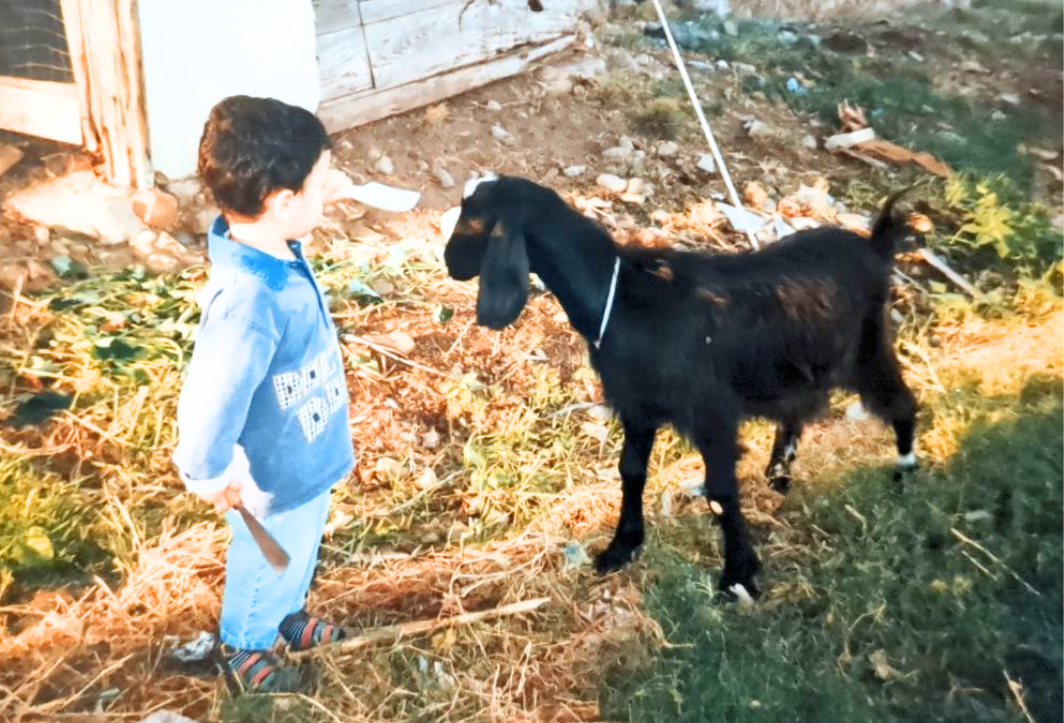
My sister and I grew up in the countryside, surrounded by goats, pigs, chickens, and rabbits. My maternal grandparents were farmers, and during elementary and middle school, I loved helping them in their vegetable garden, while my sister took care of the bunnies and kittens (she's now a veterinarian). My relatives taught me how to work the land, harvest crops, and—most importantly—make do. I never learned to drive the tractor, but I loved riding pigs! Here’s my three-and-a-half-year-old self, grooming his humble steed and preparing it for battle against the monsters of his imagination. Back then, I had much more hair than I do now 😱.
After building a treehouse and endless wooden soccer goals with my friends, I became interested in DIY. Now, besides gardening, climbing trees and chopping wood, I really enjoy tackling household issues, especially plumbing problems. In 2023, I almost got electrocuted after successfully fixing the motor of the washing machine. These are the risks of the trade!
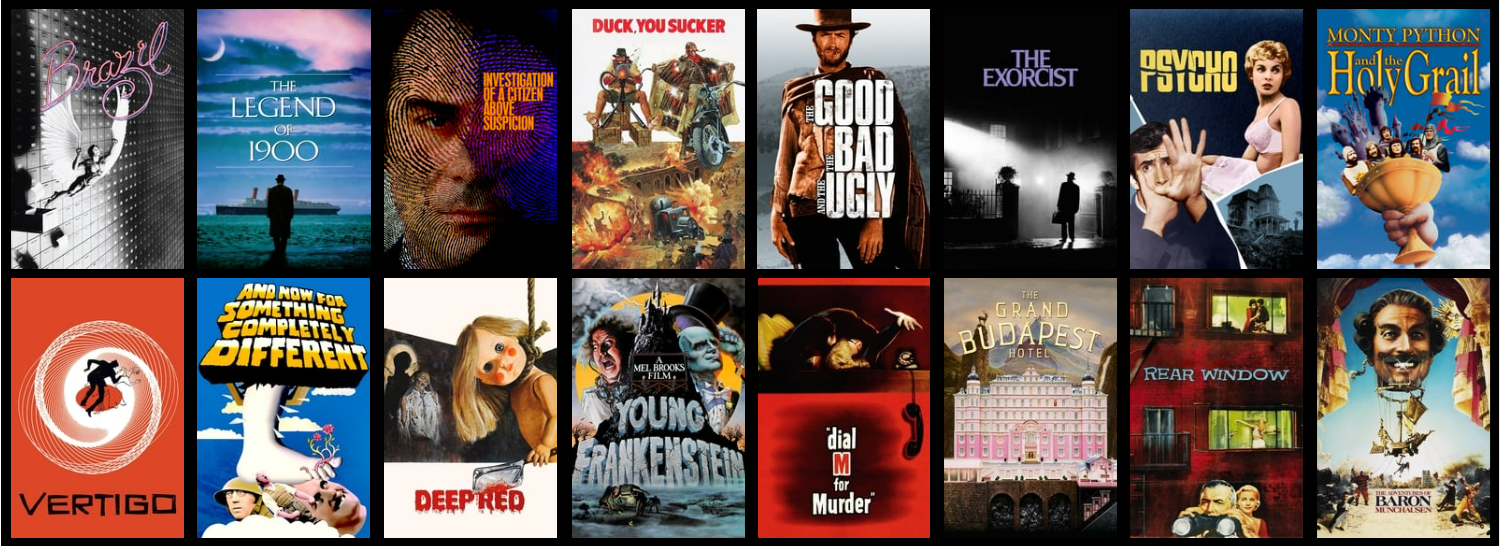
I was raised on Bud Spencer & Terence Hill movies, but my childhood hero was Nicolas Cage. Over time, my tastes have changed. In the past few years, I’ve become a huge fan of Alfred Hitchcock, Sergio Leone, and Terry Gilliam, and my favorite kind of cinema is thriller and horror, a genre whose peak, I believe, was reached by the Italian gialli of the 1970s, like Dario Argento's. Here are my favorite movies.
My greatest movie-watching experience took place in August 2021 on a stormy morning at my home in southern Italy, when I experienced Dario Argento's Inferno for the very first time. With the balcony door open facing the garden, the thunderstorm outside merged perfectly with Keith Emerson's score, creating a unique, once-in-a-lifetime atmosphere.
Heavily inspired by the cheerful insanity of Monty Python, I developed a passion for directing and editing absurd short films during my Ph.D. You can find a few surviving examples on my YouTube channel. I have a massive backlog of increasingly ridiculous scripts that have never come to life, primarily because my friends steadfastly refuse to be cast in them!
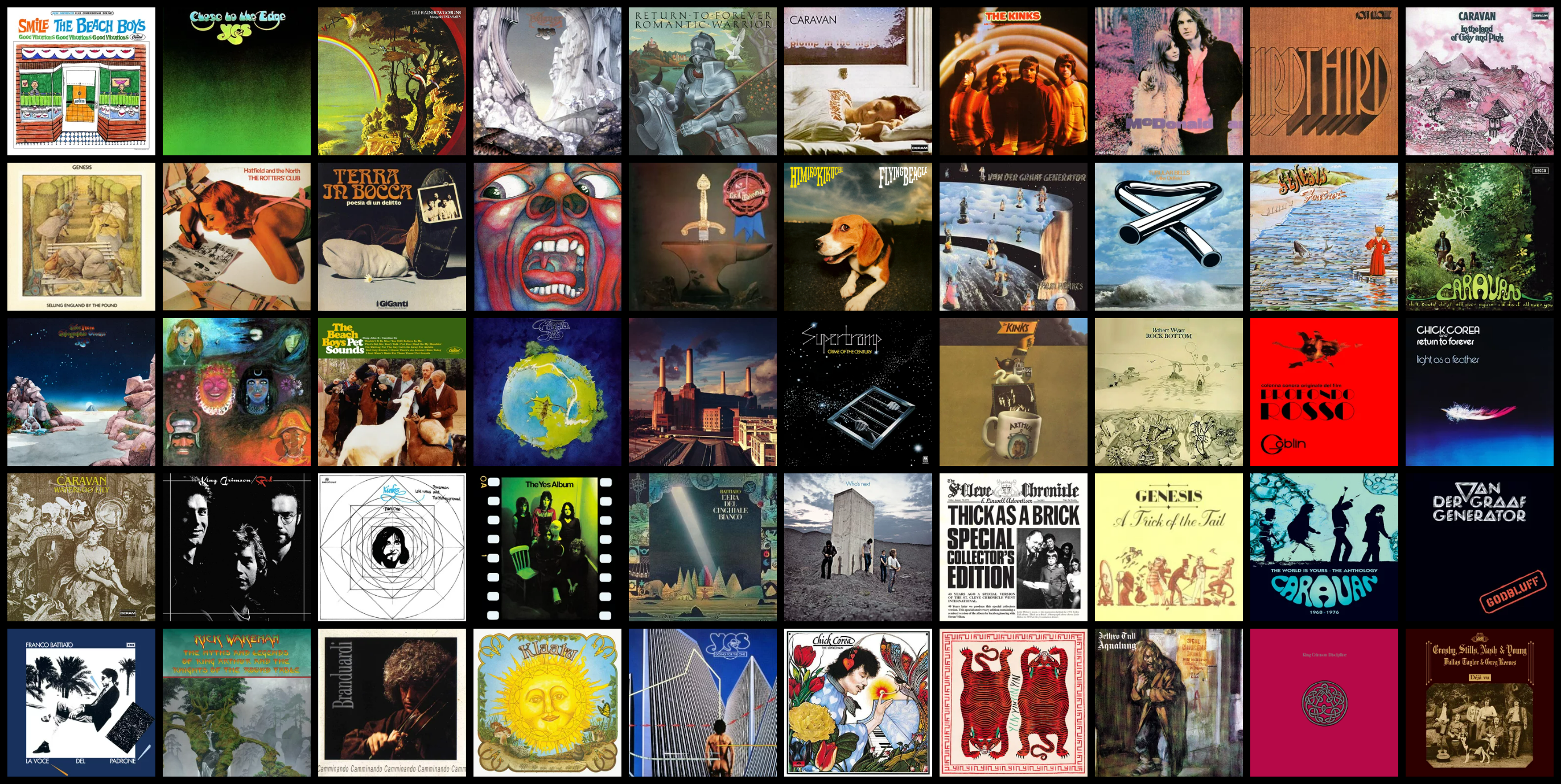
When it comes to music, my favorite composers are Ennio Morricone, Piero Piccioni, Brian Wilson, and Ray Davies. During the pandemic, I discovered the fascinating world of Progressive Rock. Since then, I have become a huge admirer of bands like Yes, Caravan, King Crimson, early Genesis, RTF and VDGG. I enjoy playing their songs on the bass guitar, even though some are still too challenging. Here’s a list of my favorite music albums (not just prog), roughly in order.
When it comes to sports, my tastes are fairly ordinary. I go running regularly and play soccer quite often, even as a goalkeeper. I learned to play with my neighborhood friends during my teenage years, on a dirt field we maintained ourselves. A few of us (including me) ended up in the hospital more than once, with broken arms and head injuries. Each time, our lovely mothers were furious and ready to give us a piece of their mind. A few years later, watching Ronnie "The Rocket" O'Sullivan play snooker on TV sparked my interest in the world of billiards. I love playing 8-ball and 9-ball, although I still haven’t mastered sidespin—and probably never will!